
I've been leading teams since 2004, and I'm more and more convinced: team building means taking a group of people who are each working hard and helping them become a team that can work together. They don't just know where they're heading; they understand what each other is saying. And once a decision is made, they share responsibility for its success or failure.
Here are five important issues in the process of forming a team.
1. Being together doesn't make you a team
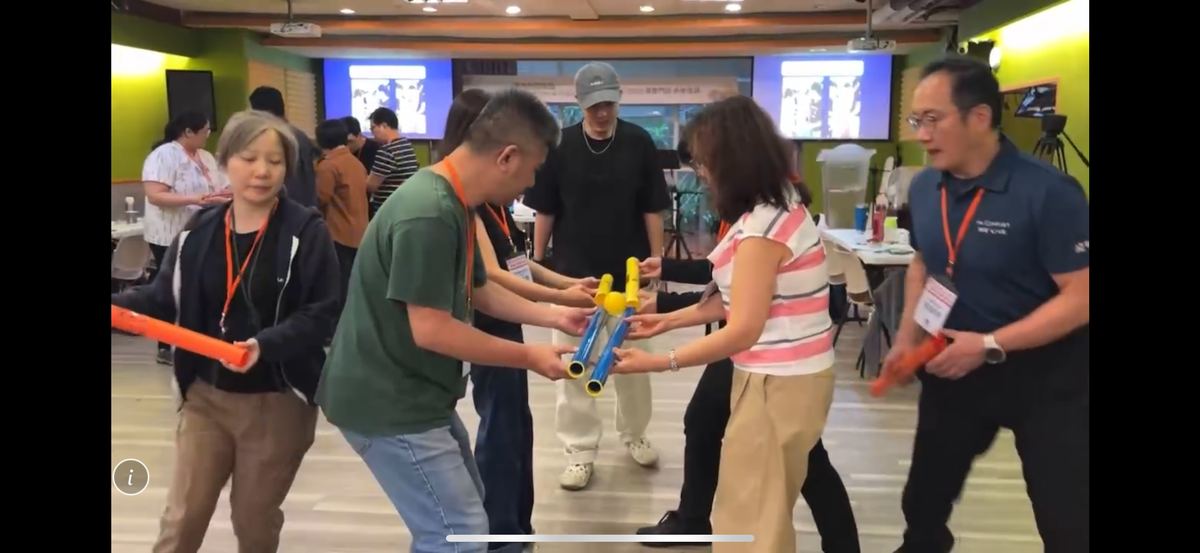
In companies, I often see everyone working hard, with solid skills, yet not pulling in the same direction. The manager thinks they've made things clear and the team members all nod, but when the results come in, it turns out everyone understood the goals, standards and priorities differently.
Everyone may be giving their best; the problem is that their understanding of the goal doesn't line up. For a team to work well, it's not enough for people to sit together; their hearts need to be together too. They need shared understanding and real connection.
When I observe a team, I usually look at three things: whether the task is clear, whether each person knows their place, and whether people can talk things through openly when problems come up.
Companies easily put most of their attention on whether tasks get done. But if someone goes unseen for a long time, or there's a lack of trust within the team, even if things get done in the short term, internal friction, silence and rework will follow, and you may not be able to keep your talent.
2. Teams often jump to answers too quickly

When leading a Team Alignment Workshop, I often notice an interesting pattern in how teams interact.
Many of the teams I've worked with are actually quite action-oriented. As soon as a task appears, everyone quickly starts looking for answers, thinking of solutions and getting ready to act. That's a great strength, but it also brings another problem to the surface: people jump into solutions before confirming that they're all solving the same problem.
We're used to asking, "How do we handle this now?"
but we rarely ask first, "What is the real problem here?"
When we start working before the problem is clear, we often find, after a lot of busyness, that we grabbed the wrong focus from the start.
So I often remind managers: don't rush to be the savior. When a team member brings you a problem, don't immediately hand them a set of answers. First ask them:
- "How do you see this?"
- "What are you really worried about?"
- "What here is fact, and what are our assumptions?"
- "What help do you need?"
Asking a few more questions first may seem slower, but it usually saves a lot of wasted effort later.
3. Consensus isn't majority vote, and it isn't everyone thinking the same
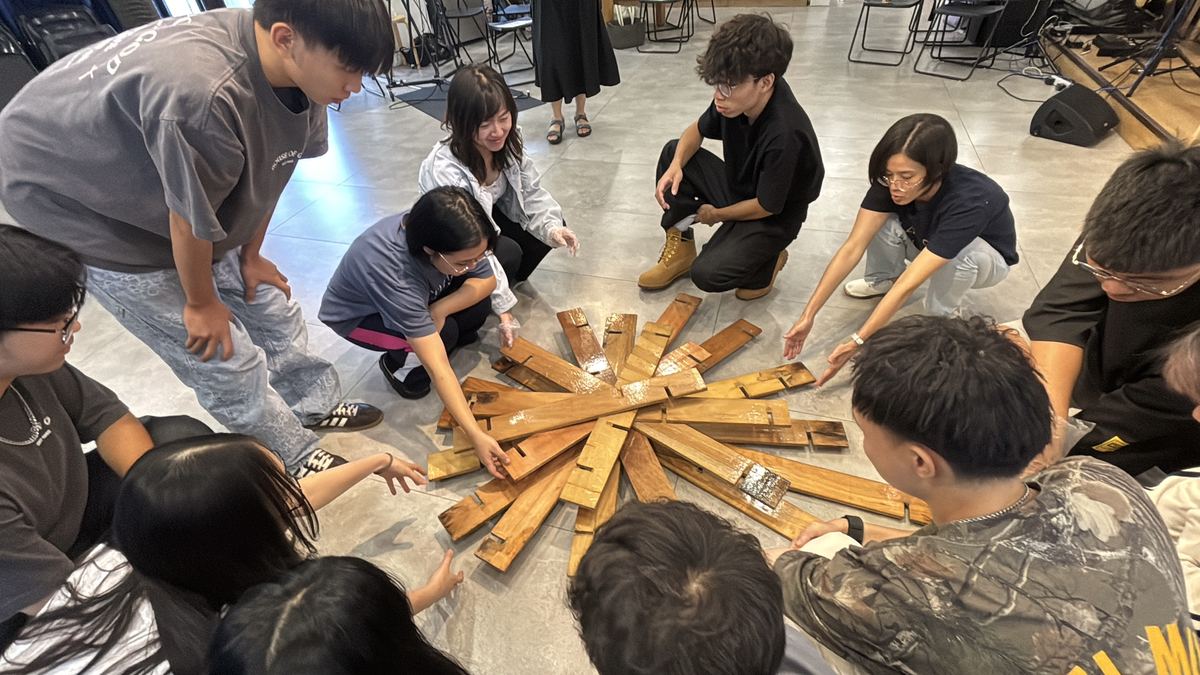
Many people think team consensus means everyone agrees, or that the minority goes along with the majority after a show of hands.
But I believe consensus really means this: every important perspective is seen and heard, and someone is willing to understand why the person who raised it thinks that way. In the end, everyone is willing to share responsibility for the decision.
On a team, some people react quickly and speak up loudly, while others need to think before they speak. Some just want to move forward fast, while another person is still checking the risks. These differences are normal.
The person who disagrees may not be opposing for the sake of it; they may be pointing out a risk no one has seen yet. The person who keeps asking about details may not be slowing things down; they may want to understand the basis for the decision.
A manager's job is to keep the different voices in the room and help everyone understand what the others really care about. If a team only chases quick answers, minority voices are easily drowned out. The decision gets made quickly, but some people haven't really come along inside. When it's time to execute, they'll only comply; they won't truly commit.
So consensus isn't always the fastest decision, but it brings more stable ownership.
4. Psychological safety doesn't mean everyone being polite
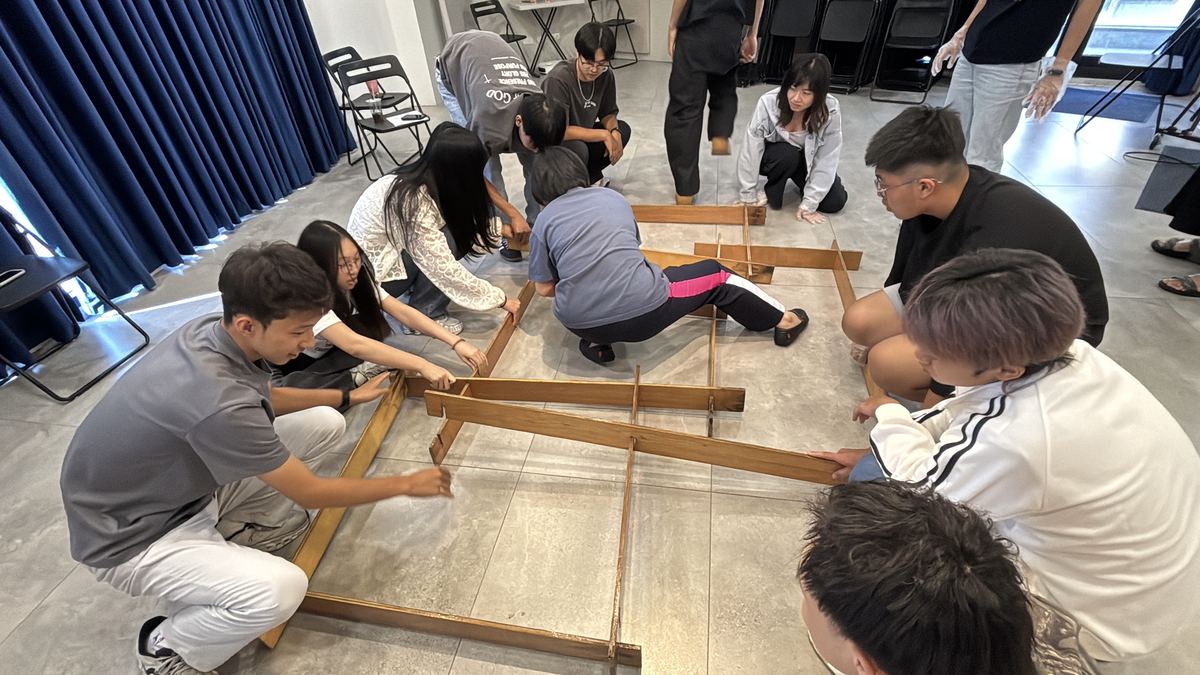
You can't talk about team building without talking about psychological safety. Some people think psychological safety means avoiding conflict, speaking a little more gently and getting along a little more harmoniously.
Teams with psychological safety still have conflict. The difference is that I dare to speak up when I disagree, dare to ask when I don't know, and dare to admit it when I get something wrong.
Safety isn't a perk the manager hands out one-sidedly, either; it's a way of interacting the team builds together. Managers need to feel secure enough to hear opinions different from their own, and team members need to be willing to take responsibility and share what they really observe. When both sides take a step forward, safety gradually becomes part of the team's culture.
Years of leading have shown me that how secure a leader is inside often determines how many different voices a team can hold, and how far it can go.
In post-workshop feedback, I often see people realizing they need to speak up more bravely, others reminding themselves to ask more, listen more and check understanding, and managers seeing afresh that leadership isn't just giving instructions, but creating an environment where the truth can be spoken.
When someone doesn't feel safe, they may be capable but won't bring all their ability; they may already see a problem but choose to stay silent. The worst situation is when someone saw the problem long ago but feels speaking up is pointless, so in the end they simply don't.
5. Team building is a daily choice
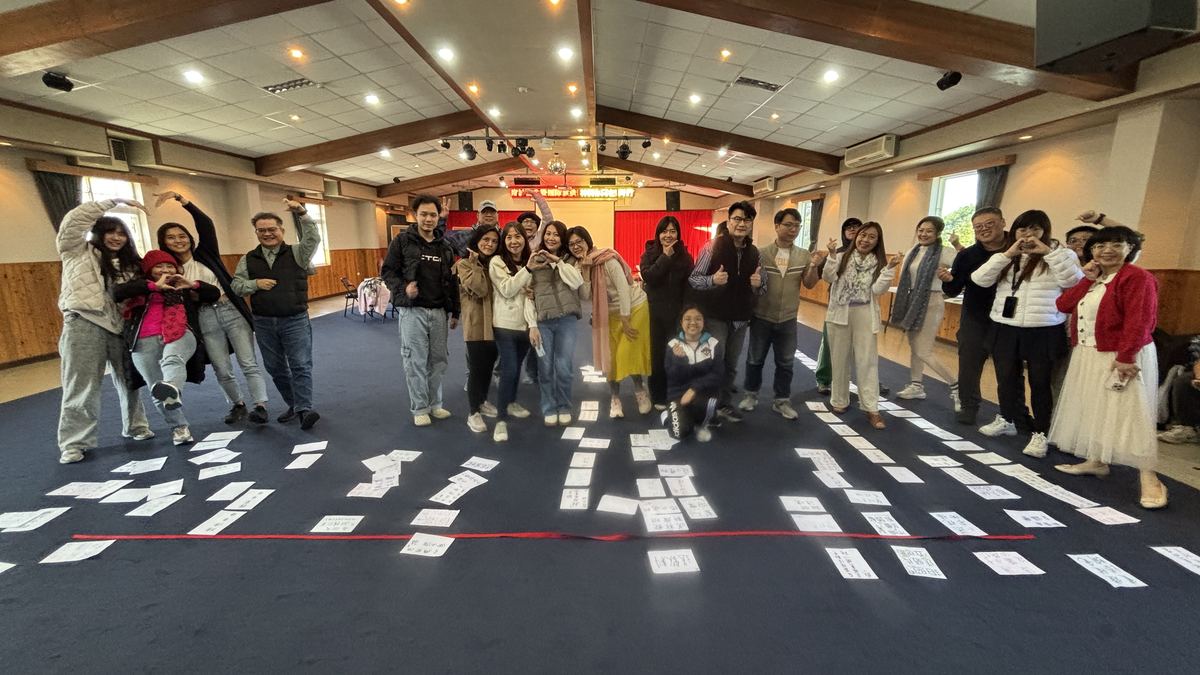
A Team Alignment Workshop can help a team see its blind spots, build a shared language, and bring to the surface feelings that are usually hard to put into words.
But I'll be honest: a single event won't automatically change a team.
Real change happens after everyone goes back to work.
- The next time opinions differ, can the manager understand first, then decide?
- The next time a task is delegated, can people confirm what "done" looks like?
- The next time someone sees a problem, will they raise it in the meeting rather than discussing it privately afterward?
- The next time a mistake is made, does the team first clarify the cause and fix it together, or immediately look for who's to blame?
Team culture grows slowly out of these small, everyday choices. If leaders haven't thought clearly about what culture they want to build, or haven't intentionally cultivated it, the team will still form a culture of its own; it just may not be the one you want.
In the end, team building comes back to very practical things: whether goals are made clear, whether different opinions can be put on the table, and whether everyone is willing to share responsibility once a decision is made. When these things happen, a group of people who work together begins to look like a team.
We'd love to hear from you and talk about what your team needs right now.